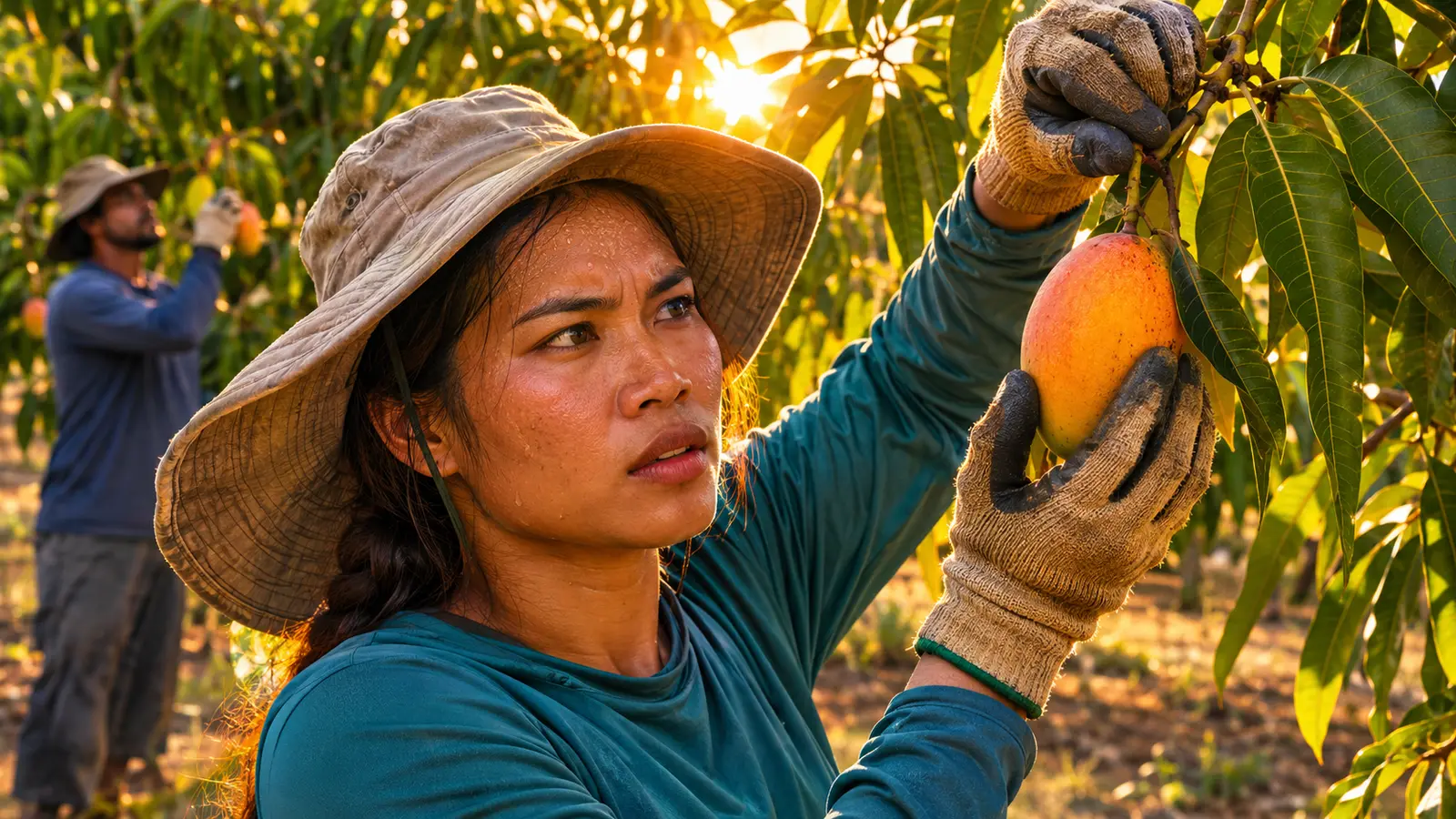
Vintage jobs in Australia are the short, busy weeks when wine grapes are picked and the first work in the winery starts. Hand picking in a regional vineyard can count towards the 88 days of specified work for a second Working Holiday visa, but winemaking does not, so the job title matters less than your daily duties. Here is how the roles differ, what the pay rules say and what to ask before you say yes.
What vintage work is, and when it happens
Vintage is the harvest of wine grapes. It is short because grapes are picked when they are ready, so growers and wineries often need a lot of people for a few weeks and then very few.
The only official dates on our fact sheet are Tasmania's. The Tasmanian Government says that in all three regions wine grape picking runs February to May, and wine grape pruning runs June to August. For other states, treat any month you read as a typical window and check it with the state agriculture department. The seasonal work calendar shows typical vineyard windows by month and state, and it says they are typical seasons, not live vacancy counts or a forecast of this year's crop.
If you are still working out where your season goes, our post on chaining two or three crops into a working year shows how vintage can sit between other harvests.
The main vintage roles
Names vary from business to business, so read the duties, not only the title. These are the usual kinds of work.
- Hand picker: cutting bunches by hand into bins or buckets, usually early in the day.
- Machine harvest support: helping a harvesting crew, for example with bins, transport or checking the vines.
- Cellar hand: work inside the winery, such as cleaning and moving equipment and helping with the juice and wine.
- Lab or winery casual: sampling, testing and general winery support.
The first two are work in the vineyard. The last two are inside a winery, and that is where the visa rules start to matter.
Which vintage jobs may count for your 88 days
For a second Working Holiday visa, Home Affairs says you need at least 3 months of specified work, which it takes as a minimum of 88 calendar days. Specified work is work in a specified industry and area of Australia.
Plant and animal cultivation means harvesting or packing fruit and vegetable crops, and it can include pruning and trimming vines for commercial horticulture when that is the main task. On that basis, picking wine grapes in an eligible regional postcode may count. Secondary processing does not: Home Affairs lists winemaking, brewing and distillation among the examples.
| Vintage work | How it fits the rules | What to check |
|---|---|---|
| Hand picking | Harvesting fruit can be plant cultivation | The postcode is regional and the work is paid under Australian law |
| Vine pruning | Can count when pruning is the main task | Your duties are mostly pruning, not general garden upkeep |
| Cellar hand | Winemaking is secondary processing, which does not count | What you actually do each day, in writing |
| Lab or winery casual | Winery support is unlikely to be plant cultivation | Check the official specified work page before relying on it |
All of South Australia and Tasmania counts as regional Australia for specified work, which is why our South Australia guide and Tasmania guide are good starting points. For the other states, use the official postcode lists.
Two counting rules matter in a busy season. Work on one calendar day cannot count as more than one day, so a very long shift does not earn you extra days. And unpaid days lost to severe or seasonal weather do not count. Our post on how to count 88 days when rain and short weeks get in the way walks through both.
What vintage work pays
Fair Work says employees in the horticulture industry are usually covered by the Horticulture Award or the Wine Award, and they can be paid by the hour, by the piece, or both. Which one covers you depends on the work, so ask your employer.
From 1 July 2026, the Wine Award minimum hourly rate for an adult grade 1 employee picking wine grapes or pruning wine grape vines is $25.79 full-time and $32.24 casual. The Wine Award has no minimum wage guarantee for pieceworkers. It does say an agreed piecework rate must let an employee of "average capacity" earn at least 20% more per hour than the relevant minimum hourly rate.
That last point is the one to remember. If you are paid by the bin, a slow first day can pay less than a fast day, and the piece rate only works if an average picker can reach the 20% margin. Our post on hourly versus piece rate shows what a slow first day on the bins can mean, and the pay and conditions guide covers the basics. You can also use Fair Work's pay and piece rates page and its Pay and Conditions Tool to check which award covers you and your minimum hourly rate.
Night picking and long shifts
Some vineyards pick at night or very early to keep the fruit cool, so shifts can start at unusual hours. Under the Horticulture Award, casuals get a 15% night loading for ordinary hours between 8.31pm and 4.59am, on top of the 25% casual loading. That is a Horticulture Award rule, so do not assume it applies to you. Ask which award covers your job.
Under the Horticulture Award, casuals can work a maximum of 12 hours per engagement or in a single day, and a casual who is called in must be given at least 2 hours of work in a row or be paid a minimum of 2 hours. Hours beyond the limit are paid as overtime at 175% of the ordinary hourly rate for a casual. Pieceworkers are not entitled to overtime under that award.
Long days are also a safety matter. Safe Work Australia says there is no single maximum temperature at which workers must stop, but the business must eliminate or minimise heat risks so far as reasonably practicable, which may include rescheduling tasks until conditions are cooler. The warning signs of heat illness are dizziness, sweating, visual disturbances, fainting, nausea and muscle cramps, and Safe Work Australia says to call an ambulance immediately if heat stroke is suspected. See our summer-shift plan for harvest work and the official heat FAQ.
How to line up a vintage job
- Pick the region first and check its typical vintage window on the calendar or the state agriculture department's page.
- Search for vineyard and winery work on the Seasonal Jobs Australia jobs page, and note whether the work is picking, pruning or winery duties.
- Ask for the duties in writing and match them against the specified work page if you want the days to count.
- Ask which award covers the job, whether it is hourly or piece rate, and for the piece rate in writing if it is by the bin.
- Check the postcode against the official regional list before you accept.
- Keep your own record of days worked, payslips and your duties from the first shift.
A short, clear CV helps because vintage hiring moves fast. A tool like Build AI CV can help you turn past work into a one-page application, whether or not you have vineyard experience. Our post on farm work resumes with no farm experience covers what growers read first.
Common mistakes
- Assuming a winery job counts. Winemaking is secondary processing, and a "cellar hand" title does not change that.
- Leaving it late. Home Affairs advises not leaving specified work until the end of your stay, because of bad weather, illness or not finding enough work, and vintage is a short window.
- Not asking about the pay type. Hourly and piece-rate work can pay very differently on a first day.
- Counting long shifts as extra days. One calendar day counts as one day, however long the shift.
- Skipping the postcode check. A vineyard job only counts in an eligible area.
Frequently asked questions
When is vintage in Australia?
It depends on the region and the grape, so there is no single date. The only official dates on this site are Tasmania's: wine grape picking runs February to May in all three regions. For other states, check the state agriculture department and the typical windows on the seasonal work calendar, and remember they are typical seasons, not a forecast of this year's crop.
Does grape picking count for a second Working Holiday visa?
It can, when it is plant cultivation (harvesting fruit) in a regional postcode and the other Home Affairs conditions are met. Home Affairs says harvesting and packing fruit and vegetable crops counts, and pruning vines can count when it is the main task. Check your postcode and your duties on the official specified work page before you rely on it.
Does cellar hand or winery work count towards the 88 days?
Home Affairs says secondary processing does not count as specified work, and it lists winemaking as an example. A role that is mostly cellar, lab or winery work may therefore not count, even in a regional postcode. Ask the employer exactly what your duties will be and check them against the official page.
Is grape picking paid by the hour or by the bucket?
Either can happen. Fair Work says employees in the horticulture industry are usually covered by the Horticulture Award or the Wine Award, and they can be paid hourly rates, piece rates or both. Under the Wine Award there is no minimum wage guarantee for pieceworkers, so ask for the rate in writing and work out what an hour will really pay.
Can I work all night during vintage?
Long and unusual shifts do happen at vintage, but a rule or a loading depends on your award and your hours. Under the Horticulture Award, casuals get a 15% night loading for ordinary hours between 8.31pm and 4.59am, on top of the 25% casual loading. Ask which award covers your job and use Fair Work's Pay and Conditions Tool to check.
Rules, pay rates and visa conditions can change. Check the official government website before you act.
Key takeaways
- Hand picking in an eligible regional postcode may count towards your 88 days; winemaking does not.
- Ask for your duties, your award and your pay type in writing before you start.
- From 1 July 2026 the Wine Award grade 1 rate is $25.79 full-time and $32.24 casual, with no minimum wage guarantee for pieceworkers.
- Tasmania's official wine grape picking window is February to May; check other states with their agriculture departments.
- Plan early, keep your own records and take the heat seriously on long days.