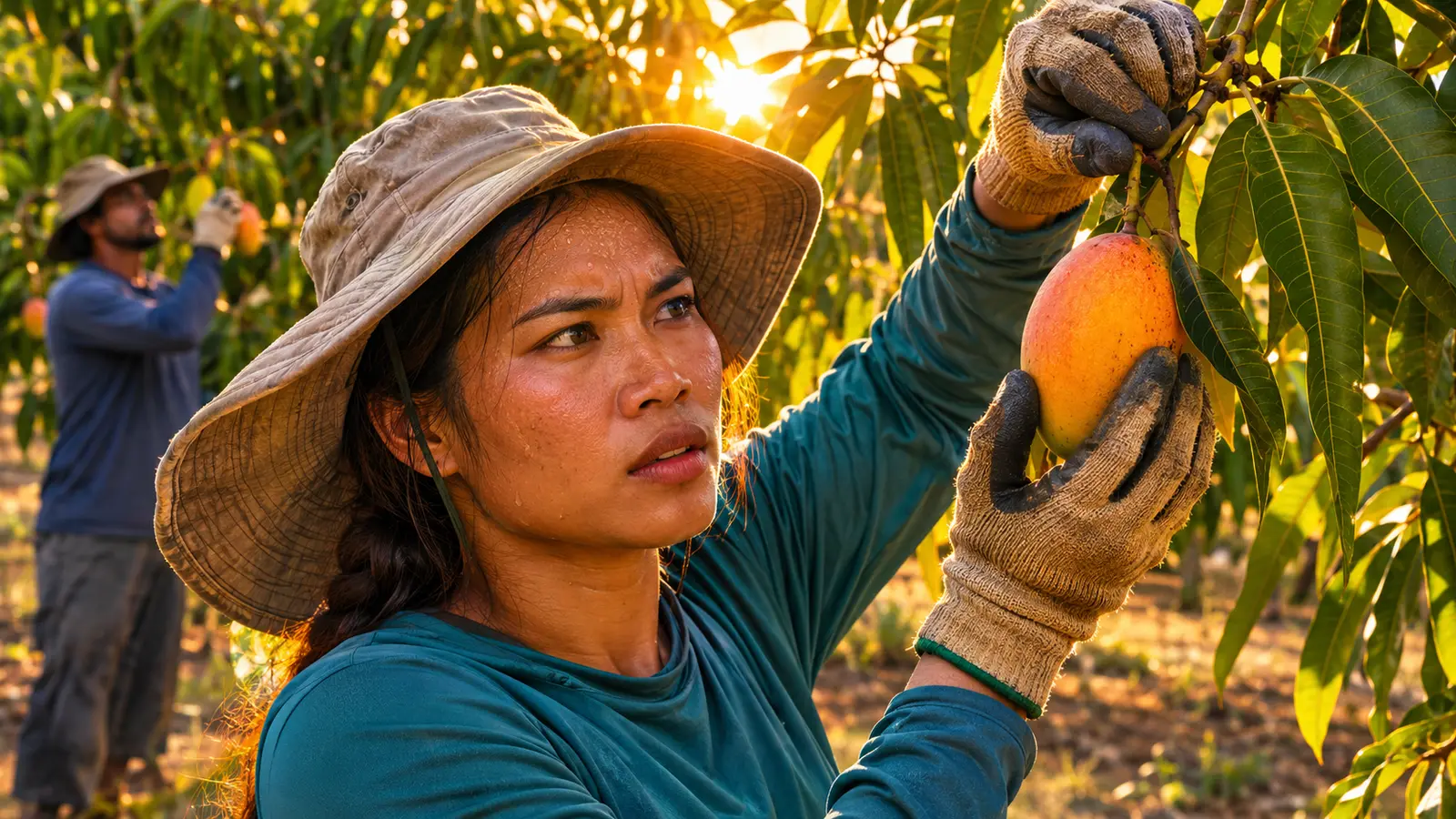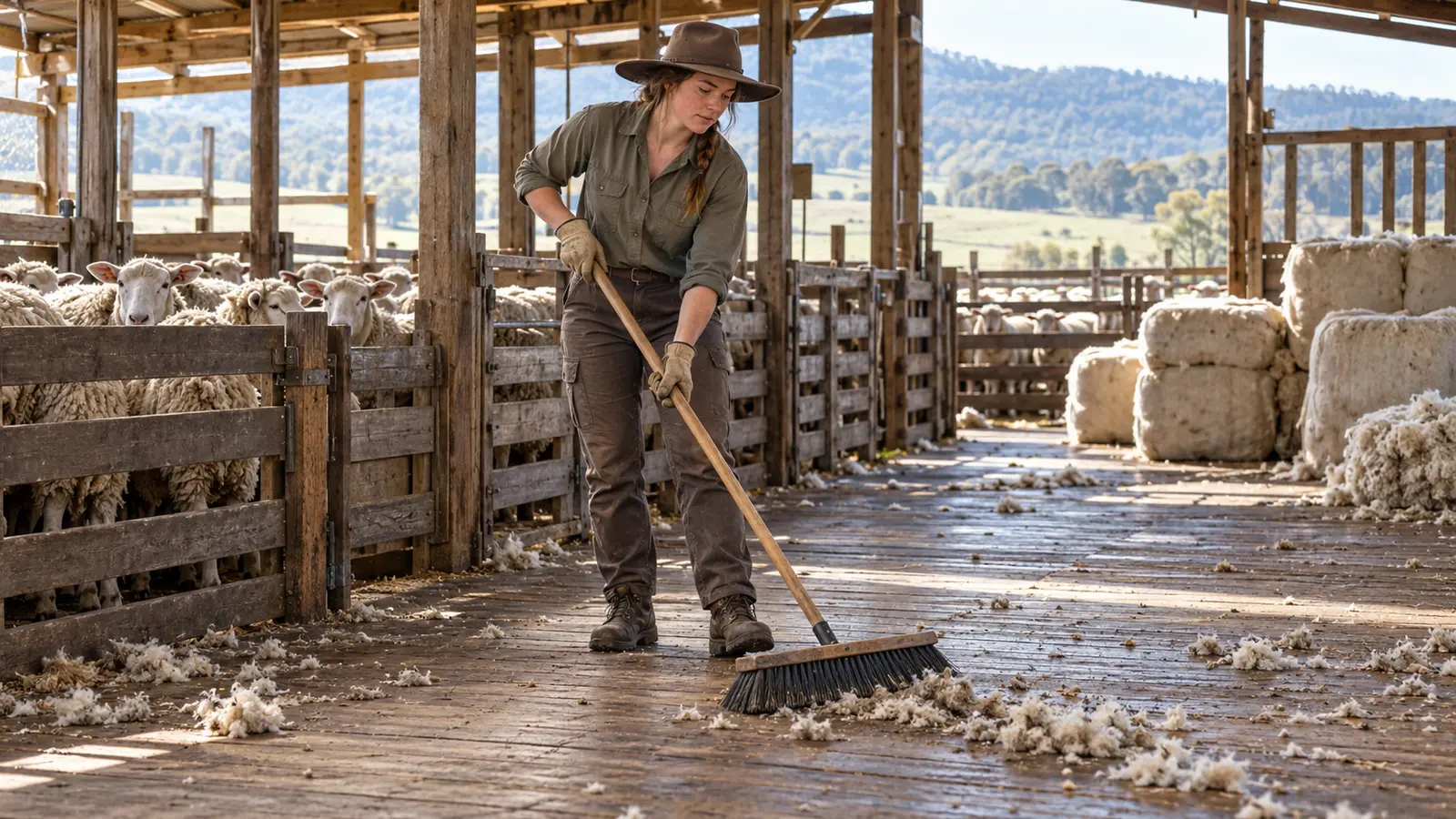
Seasonal jobs in Australia go well beyond fruit picking. Packing sheds, shearing sheds, cattle and sheep stations, vineyard pruning, meat processing, reforestation, fishing, and tourism and hospitality all hire for a season. For working holiday makers the key question is whether the job can count as specified work for a second or third visa. Many can, such as packing produce, shearing, herding cattle, pruning vines and reforestation work in the right postcodes. Others do not, such as winemaking or making small goods in a factory. Check the task and the postcode before you take the job.
Why look past the orchards
Picking is the job most people picture, and it is a good start: our guide to fruit picking jobs by crop type covers it. But the farm year has other jobs before, around and after the harvest. Some suit people who prefer steady hours under a roof. Some suit people who like animals, machinery or the outdoors in winter.
Different work can also help you fill the gaps between crops. Home Affairs advises not leaving specified work until the end of your stay, to allow for bad weather, illness or not finding enough work. A wider search gives you more chances to keep your days ticking over. Our seasonal work calendar shows typical windows by month and state, and our guide to chaining fruit picking seasons covers the orchard side.
The other seasonal jobs, and whether they may count
This table matches common seasonal work with Home Affairs' description of specified work. It is a planning guide, not a decision: Home Affairs decides each application.
| Type of work | What the job usually involves | Can it count as specified work? |
|---|---|---|
| Packing sheds | Sorting, grading and packing fruit and vegetables | Yes, packing fruit and vegetable crops is plant and animal cultivation, in regional postcodes |
| Shearing sheds | Shed hand work: moving wool, sweeping boards, helping shearers | Shearing is listed as immediate processing of animal products |
| Cattle and sheep stations | Feeding and herding stock, fencing, general farm work | Feeding and herding cattle is a Home Affairs example of eligible work |
| Vineyard pruning | Pruning and trimming vines in winter | Yes, when pruning for commercial horticulture is the main task |
| Wineries | Cellar and winemaking work | No: winemaking is secondary processing |
| Meat processing | Butchery and packing at the processing stage | Butchery and packing count as immediate processing; making small goods does not |
| Reforestation and tree work | Planting trees, conservation work, tree farming and felling | Reforestation counts; tree farming and felling counts for 417 in regional areas, and for 462 in northern Australia only |
| Tourism and hospitality | Chefs, hotel guest service, dive instructors, tour bus drivers | Only in Northern Australia, Remote and Very Remote Australia, or the listed postcodes |
One more line matters. Home Affairs says general garden maintenance is not eligible, so a nursery or gardening job needs a close look at the actual tasks. Read the full rules on the Home Affairs specified work page, and our 88 days guide explains how the days are counted.
For the other borderline jobs, from processing plants to farm shops and volunteering, see what counts as specified work and what catches people out.
Sheds: packing and shearing work
Packing sheds suit people who want indoor, steady shifts. The work is sorting, grading and packing produce on a line, often standing for long periods. Under the Horticulture Award, from 1 July 2026 the minimum hourly rate for an adult level 1 employee picking, sorting or packing fruit and vegetables is $25.74 for full-time and part-time workers and $32.18 for casuals.
Shearing sheds are a different world. A shed hand keeps the board clear, moves fleeces and helps the shearers keep working. In Tasmania's north-west and south, the state lists shearing shed hand work from April to August. The work is fast and physical. Safe Work Australia describes hazardous manual tasks as lifting, carrying and holding with repetitive movement or awkward postures, which can cause sprains, strains and back injuries, so ask how the shed is set up and take your breaks.
Stations and livestock work
Station work means cattle and sheep, long days and often remote places. The tasks can include feeding and herding stock, checking water, fencing and helping with general farm jobs. Home Affairs lists feeding and herding cattle as an example of eligible plant and animal cultivation.
For farm and livestock hands, the Pastoral Award sets the minimum: from 1 July 2026 a farm and livestock hand level 1 (for example a station hand with less than 6 months' experience) earns at least $978.10 a week or $25.74 an hour, and level 2 earns $1004.90 or $26.44.
Safety comes first on stations. Safe Work Australia says tractors, aircraft, quad bikes and other vehicles cause over 75% of workplace deaths in agriculture. If a station job involves a quad bike, ride on flat, stable ground, never carry a passenger on a single-operator bike, and always wear a helmet that fits well.
For the other hazards on a farm, from heat and lifting to chemicals and working alone, see our farm safety guide for seasonal workers.
Vineyards, forests, boats and tourism
Vineyards need pruners in winter. In Tasmania, wine grape pruning runs from June to August. Under the Wine Award, from 1 July 2026 an adult grade 1 employee picking wine grapes or pruning vines earns at least $25.79 an hour full-time or $32.24 casual. Remember that work in the winery itself is winemaking, which Home Affairs treats as secondary processing.
Conservation and environmental reforestation work is listed as eligible plant and animal cultivation. Fishing and pearling counts for 417 holders in regional Australia, but for 462 holders only in northern Australia, so check your visa before you sign on to a boat.
Tourism and hospitality jobs, from kitchen work to tour driving, count only in Northern Australia, Remote and Very Remote Australia, or the specific postcodes Home Affairs lists. Every Northern Territory postcode is in Northern Australia. A resort job further south may be a great job, but do not assume it counts towards your next visa.
Six months with one employer, and the latest labour hire change
Long seasons raise a visa question. Condition 8547 normally limits working holiday makers to 6 months' work with one employer. From 1 January 2024, Home Affairs lets them stay longer with the same employer in plant and animal cultivation anywhere in Australia, and in critical sectors including agriculture, food processing, and tourism and hospitality. Home Affairs says these exemptions apply until the Government makes further decisions.
There is also a recent change in Victoria. From 1 October 2026, Victoria's labour hire law focuses on whether labour supply is involved, so a licence is needed to supply labour anywhere in a supply chain. If you work for a contractor picking, packing or planting fruit or vegetables in Victoria, you are probably a labour hire worker and your employer must hold a licence. You can check a provider on the Labour Hire Authority's licence register before you start.
How to plan a season beyond the orchards
- Pick two or three kinds of work from the table that suit your body, your visa and the time of year.
- Check the postcode and the task against the Home Affairs specified work rules before you accept.
- Ask for the business name and ABN and check it on the Australian Business Register, as Fair Work advises.
- Check the award and your rate. Fair Work's Pay and Conditions Tool shows which award covers you and your minimum hourly rate.
- Get your CV ready for farm work. List any animal, machinery, packing or kitchen experience. Build AI CV can help you lay it out for each job.
- Keep your own records from day one: dates, hours, the farm's postcode and every payslip. Our 88 days record-keeping guide shows what to keep.
- Search by type of work on our seasonal jobs page, and plan your route between regions.
When a season ends, ask your supervisor for a short reference. A verified work history on Talent Tabloid is optional, but it can help the next employer see your experience.
Rules, pay rates and visa conditions can change. Check the official government website before you act.
Common mistakes with seasonal work beyond picking
- Assuming every farm job counts. Winemaking, milling, making small goods and general garden maintenance do not count as specified work.
- Forgetting the postcode. The same tourism job counts in the Northern Territory but may not count in a southern town.
- Mixing up 417 and 462 rules. Fishing and tree felling count in more places for 417 holders than for 462 holders.
- Counting unpaid weather days. Home Affairs says unpaid days off because of severe or seasonal weather do not count.
- Paying to get a job. Employers can't ask applicants to pay money to receive a job offer. Treat any request for an upfront fee as a warning sign.
- Not checking your pay. Use our payday check for farm and harvest work each week.
Frequently asked questions
What seasonal jobs are there in Australia besides fruit picking?
Common options include packing sheds, shearing sheds, cattle and sheep stations, vineyard pruning, meat processing, reforestation, fishing and aquaculture, and tourism and hospitality. The tasks, pay award and visa rules differ for each, so check the details for every job.
Does packing shed work count for my 88 days?
Home Affairs includes harvesting and packing fruit and vegetable crops in plant and animal cultivation, so packing can count when it is done in an eligible regional postcode. You still need the full number of days, paid lawfully under the award.
Can tourism or hospitality work count as specified work?
Yes, but only in Northern Australia, Remote and Very Remote Australia or the specific postcodes Home Affairs lists. Examples include a chef in a restaurant, a hotel guest service agent, a dive instructor and a tour bus driver.
Does working in a winery count as specified work?
Not for the winemaking itself. Home Affairs lists winemaking as secondary processing, which does not count. Picking wine grapes or pruning vines for commercial horticulture is different and can count in eligible areas.
Can I stay longer than 6 months with one employer on a station?
From 1 January 2024, Home Affairs lets working holiday makers work longer than 6 months with one employer in plant and animal cultivation anywhere in Australia, and in critical sectors including agriculture. These exemptions apply until the Government makes further decisions.
Key takeaways
- Seasonal jobs in Australia include sheds, stations, vineyards, meat work, reforestation, fishing and tourism, not only picking.
- Packing, shearing, herding cattle, pruning vines and reforestation can count as specified work in the right areas.
- Winemaking, small goods and general garden maintenance do not count.
- Tourism work counts only in Northern Australia, remote areas or the listed postcodes.
- Check the ABN, the award rate and the postcode, and keep your own records from day one.